
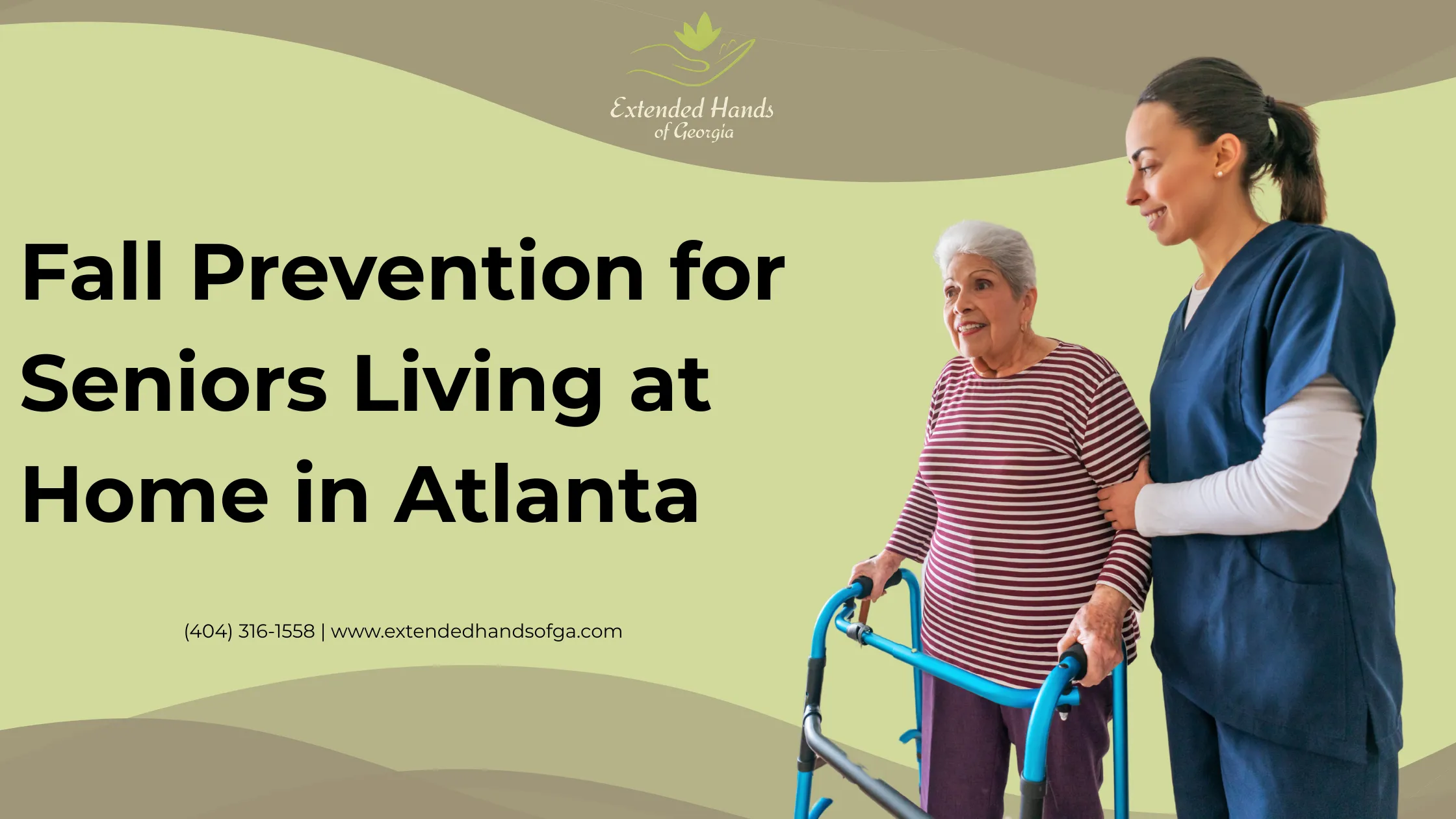
Most falls at home are preventable with a few targeted changes to the environment and daily routine. Removing trip hazards, improving lighting, adding grab bars, and having a trusted caregiver nearby are the four steps that make the biggest difference. Acting on even one or two of these today reduces risk right away.
A fall can change everything in an instant. For older adults, a single trip or slip at home can lead to a serious injury, a hospital stay, and weeks of difficult recovery. We understand how frightening that possibility feels, whether you are a senior living independently or a family member watching from a distance.
The good news is that fall prevention for seniors is very much within reach. You do not need an expensive renovation or a complete lifestyle overhaul. You need clear information, a realistic look at your home, and the right support in place. This guide walks you through exactly that, step by step, so you can feel safer and more confident in your own home.
Why Falls Happen and What Makes Seniors More Vulnerable
Falls are rarely just about clumsiness. As the body ages, balance naturally shifts, muscle strength gradually decreases, and reaction time slows. Vision changes can make it harder to spot a loose rug or a dark step. Certain medications affect blood pressure or coordination in ways that increase unsteadiness, especially when standing up quickly.
The home itself is often the biggest risk factor. Familiar spaces can create a false sense of safety. Furniture that has been in the same spot for years, a bathroom without grab bars, or a dimly lit hallway can all become hazards that a younger body would handle without thinking but that now pose a real danger.
- Muscle weakness in the legs reduces stability during everyday movement
- Inner ear changes and balance disorders are common after age 65
- Low blood pressure when standing can cause sudden dizziness
- Poor lighting makes it hard to judge depth and spot obstacles
- Loose rugs, slippery floors, and low furniture are leading environmental causes
- Some prescription medications list dizziness or drowsiness as side effects
Room-by-Room Home Safety Changes That Support Fall Prevention for Seniors
A practical walk-through of your home is one of the most useful things you can do today. Start with the rooms where falls happen most often: the bathroom, the bedroom, and the kitchen. In the bathroom, install grab bars beside the toilet and inside the shower or tub. Place a non-slip mat on the shower floor and a dry mat just outside. Consider a shower chair if standing for long periods feels tiring.
In the bedroom, make sure a lamp or nightlight is easy to reach from the bed before you stand up. Keep a clear path from the bed to the bathroom with nothing on the floor. In the kitchen, move frequently used items to shelves between waist and shoulder height so reaching and bending are reduced. These changes are small in cost but large in impact.
- Bathroom: grab bars, non-slip mats, shower chair, raised toilet seat if needed
- Bedroom: reachable lighting, clear floor path, bed height that allows feet to rest flat
- Kitchen: store daily items at accessible heights, use a sturdy step stool with a handle
- Hallways and stairs: secure handrails on both sides, nightlights at floor level
- Living areas: tape down or remove loose rugs, secure electrical cords along walls
Exercise and Movement Habits That Build Lasting Stability
Physical activity is one of the strongest predictors of fall risk. Seniors who do regular balance and strength exercises fall less often than those who are sedentary. You do not need a gym. Chair-based exercises, gentle yoga, tai chi, and short daily walks all build the muscle control and body awareness that catch you when you start to tip.
Talk with your doctor before starting any new exercise program, especially if you have joint pain, heart conditions, or a recent surgery. This is general information, not medical advice; confirm any exercise plan with your physician. Even five to ten minutes of gentle movement each morning can improve stability over time. The goal is consistency, not intensity.
Medication Review and Vision Checks as Part of Senior Safety at Home
Many seniors take several medications at once. Some combinations affect balance, blood pressure, or alertness in ways that are not obvious at first. Ask your doctor or pharmacist to review your full medication list for fall-related side effects at least once a year, or any time a new prescription is added. This is general information, not medical advice; confirm specifics with your doctor and pharmacist.
Vision also plays a direct role in fall risk. Outdoors and indoors can look different through the same glasses, and bifocals can distort depth perception on stairs. Schedule a yearly eye exam and mention any difficulty with depth or contrast. If reading glasses are your only pair, consider a separate pair for walking around the house.
How a Home Care Aide Supports Fall Prevention Every Day
A professional home care aide does more than assist with tasks. They provide an alert, familiar presence that catches small changes before they become serious problems. They notice when a rug has shifted, when the lighting in a hallway has burned out, or when a senior seems more unsteady than usual. That consistent attention is one of the most effective tools in a fall prevention plan. Our Homemaking Services include exactly this kind of proactive, eyes-on support.
For seniors who need more involved daily assistance, our Personal Care Services offer hands-on help with bathing, dressing, and moving safely around the home. A caregiver who understands your specific mobility patterns can guide transfers from bed or chair, accompany you to the bathroom at night, and respond quickly if something does go wrong. To learn more about what we offer, call EXTENDED HANDS OF GEORGIA at (404) 316-1558. We are proud to serve seniors across Atlanta, GA and the surrounding communities.
Frequently Asked Questions
What is the most common cause of falls in the home for seniors?
Environmental hazards are the leading cause, especially loose rugs, slippery bathroom floors, and poor lighting. Muscle weakness and medication side effects are close behind and often combine with home hazards to increase risk.
Can a non-medical home care agency really help with fall prevention?
Yes. Non-medical caregivers assist with safe movement, spot hazards, help with nighttime bathroom trips, and provide steadying support during daily tasks. That consistent presence significantly reduces the chance of an unassisted fall.
Are grab bars difficult to install, and do they have to be permanent?
Many grab bars mount with standard hardware and take under an hour to install. Tension-mounted versions require no drilling and can move with you if needed. A handyman or home modification specialist can advise on which type suits your walls.
How often should a senior’s fall risk be reassessed?
A reassessment is worthwhile after any change in health, medication, or mobility, and at least once a year as a general check. Your doctor can perform a formal balance and gait screening during a routine visit.
Does EXTENDED HANDS OF GEORGIA serve areas outside Atlanta?
Yes. We serve seniors across the greater Atlanta region, including Fulton County, DeKalb County, Cobb County, Gwinnett County, and many other surrounding counties. Call (404) 316-1558 to ask about your specific location.